
Current Marketing Trends in Multi-Generational Marketing: How Brands Are Becoming the Ultimate Translator Between Millennial Parents and Gen Alpha Kids.
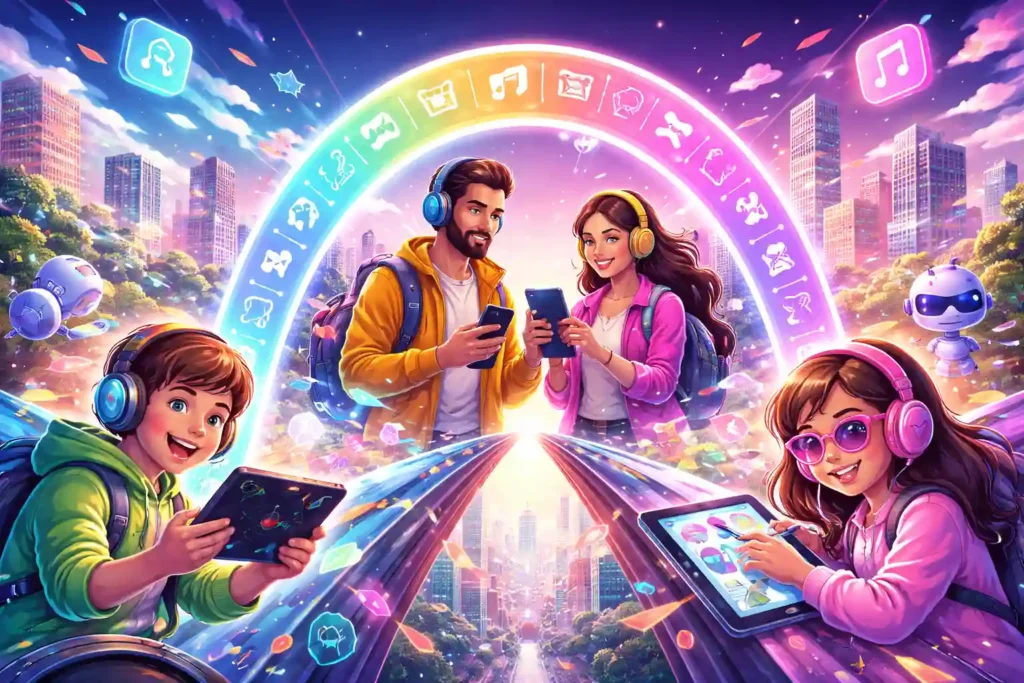
Introduction - The Current Marketing Trends in Multi-generational Marketing
While thinking about the current marketing trends in multi-generational marketing, in the ultramodern world where the consumer terrain is in a continuous state of flux, brands are not merely selling products; they are establishing links between generations. It is one of the most interesting dynamics that is currently occurring in families with Millennial parents and Gen Alpha children.
These parents have experienced the analog world, and now they must live in a digital one where their children are the digital natives who were born in the era of artificial intelligence, social networks, and on-demand information. The challenge? Due to this generational difference, communication is sensitive. The occasion? Brands, which come with translators, help the parents and children communicate to create mutual gestures, which touch on both sides.
Coming to Terms with the Generational Divide. In the modern era, the current marketing trends in multi-generational marketing include the millennial parents and Gen Alpha kids. The millennial parents are pragmatic, valuable, and highly conscious about the judgments they make on behalf of the family. They were brought up with screen time limitations, physical toys, and physical gestures. They are preceded by balance, safety, and literacy. The children of Generation Alpha, in their turn, do not have their defenses come their way, with AI school teacher adjuncts and virtual worlds being as real as real worlds. Their concentration capacities are smaller, their interactivity needs are lower, and their tastes are selected based on algorithms that suggest the content that is unique to them.
Brands as the Generative Bridge
The current marketing trends in multi-generational marketing imply brands that recognize both cultures and are well-positioned to respond to them in ways that create participatory value. This has resisted, to be blunt, marketing and humanitarian-based communication. Comparable brands like LEGO, Disney, and Nickelodeon have mastered it, producing products and content that can also be enjoyed by parents and children. The collections of LEGO are not just toys but group sweets. The images created by Disney put forward a subcaste of cheats that is enticing to the minds of the children and the flashbacks of the parents.
Digital Fluency in a restatement
Gen Alpha is digitally born, and there are parents of the utmost Millennial core who still rely on traditional cues. The current marketing trends in multi-generational marketing show that intelligent brands are crafting interfaces, operations, and juggernauts that permit parents to hack digital gestures and kiddies to engage in their location. As an example, a literacy operation can permit parents to track their progress, institute learning objectives, or even learn collectively, and this will constitute a participatory experience. Emotional bond: the connection between one generation and the other.
Brands that have succeeded in this region go beyond the point and focus on values and emotions. The current marketing trends in multi-generational marketing show that millennial parents, as well as the Gen Z kiddies, care about health, sustainability, inclusiveness, and creativity. These values of participation are fostered to facilitate long-term participation, fidelity, and trust.
The current marketing trends in multi-generational marketing show that the application of AI-powered technology is rethinking how brands engage and communicate with colorful generations in the modern world. Multicult AI to Individualized Content can generate a variation to one piece of communication by acclimatizing it with the beliefs and principles of a parent and generating a new bone that a child will have fun playing with, with gagging drawings and an interactive layer.
The current marketing trends in multi-generational marketing in terms of social media, search trends, and consumption gestures; AI can predict what both generations will be requesting, which is actually before the discussion table. Interactive, Immersive Gestures Generative AI may be applied to induce virtual worlds and gamified education; in fact, artificial intelligence-based characters that act as an intermediary between millennial parents and their Gen Alpha children provide them with an experience that appears unique and specific.
Case Study
Consider a brand like LEGO. Their interactive playgrounds and web activities are designed to amuse the children in creative play as well as provide parents with tools to play a significant role. The result? Parents become involved in the virtual and artistic life of their children, and children become empowered to explore and co-create. It is an example of the current marketing trends in multi-generational marketing, which is what the Generative Bridge does; in other words, it reconciles values, interests, and gestures across generations.
The Lesson to Brands
The brands that perform well in this new geography are not merely interested in the business of dealing with them; they are the ones that restate, relate, and enact participatory gestures. According to current multi-generational marketing trends, marketers must understand the wants and concerns of Millennial parents and Gen Alpha children. Create Design sends audio messages that resonate with each follower in their own unique manner and generate imbrication due to the use of AI and generative tools.
According to the current marketing trends in multi-generational marketing, doing it together develops products and games where the family can play, communicate, and learn together. Brands are no longer marketers nowadays; they are intergenerational translators that guide the discourses, gestures, and emotional attachments between parents and children. In doing so, they build trust, faithfulness, and a participatory artistic footprint which crosscuts across the age.`
Conclusion
In summary, according to the current marketing trends in multi-generational marketing, Generative Bridge is not a style but the future of family-based marketing. Brands that know how to strike the appropriate balance between Millennial parents and Gen Alpha children and use AI and mortal insight to create meaningful relationships will not just sell the goods but create an infinity of participatory gestures, memories, and values. The brands that will be successful in 2026 and beyond will be those that are suitable for speaking two languages simultaneously: the language of parents and children, as well as the language of connection in general.